2025 Seoul Mobility Show Through a Japanese Resident’s Eyes | The Absence of Japanese Brands
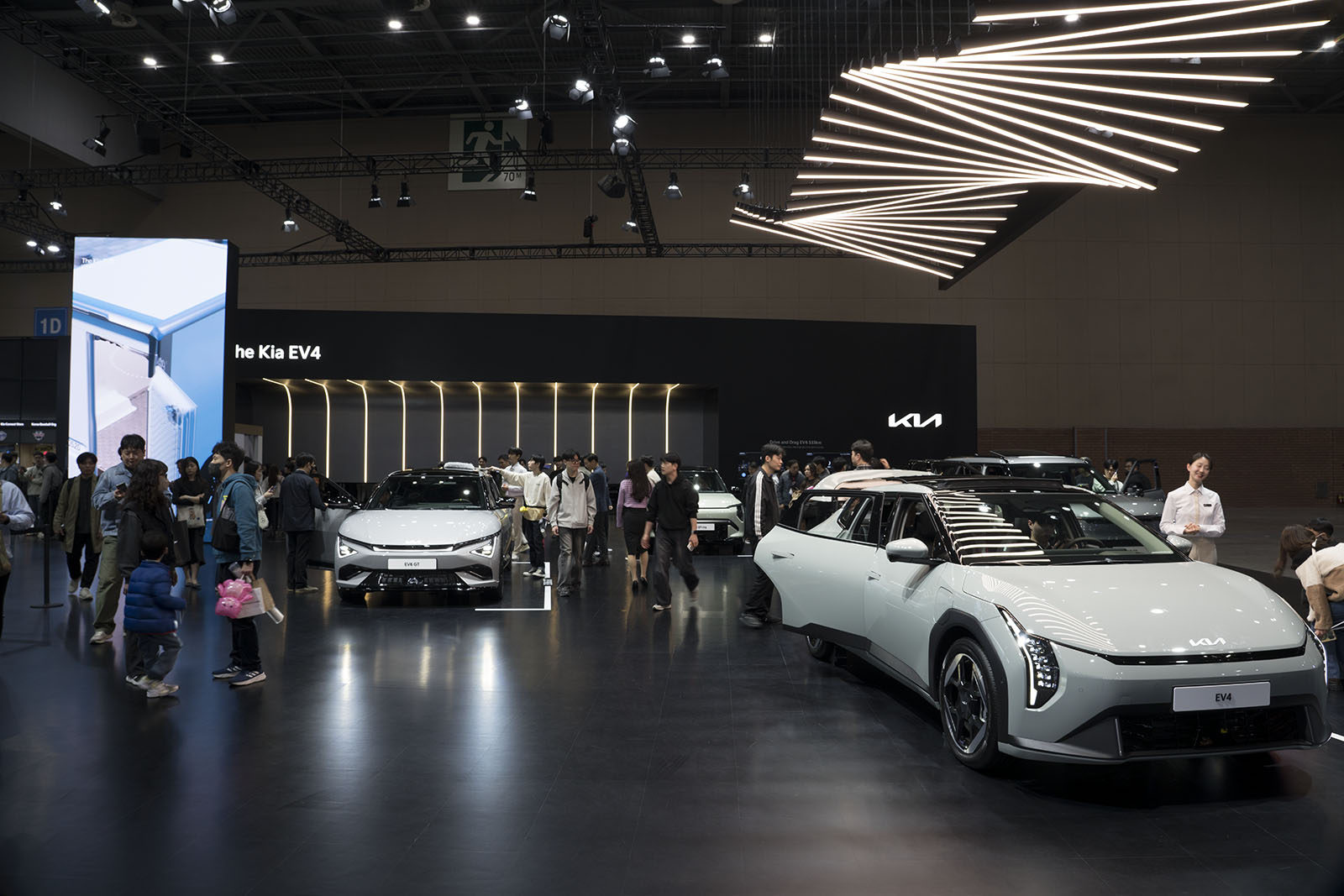
I visited the “2025 Seoul Mobility Show” held at KINTEX in Goyang, Gyeonggi Province, Korea.
The event was formerly known as the “Seoul Motor Show.”
As a Japanese resident living in Korea, what I felt upon visiting this exhibition for the first time in a while was that the atmosphere was somewhat different from before..。
Were Japanese manufacturers exhibiting?
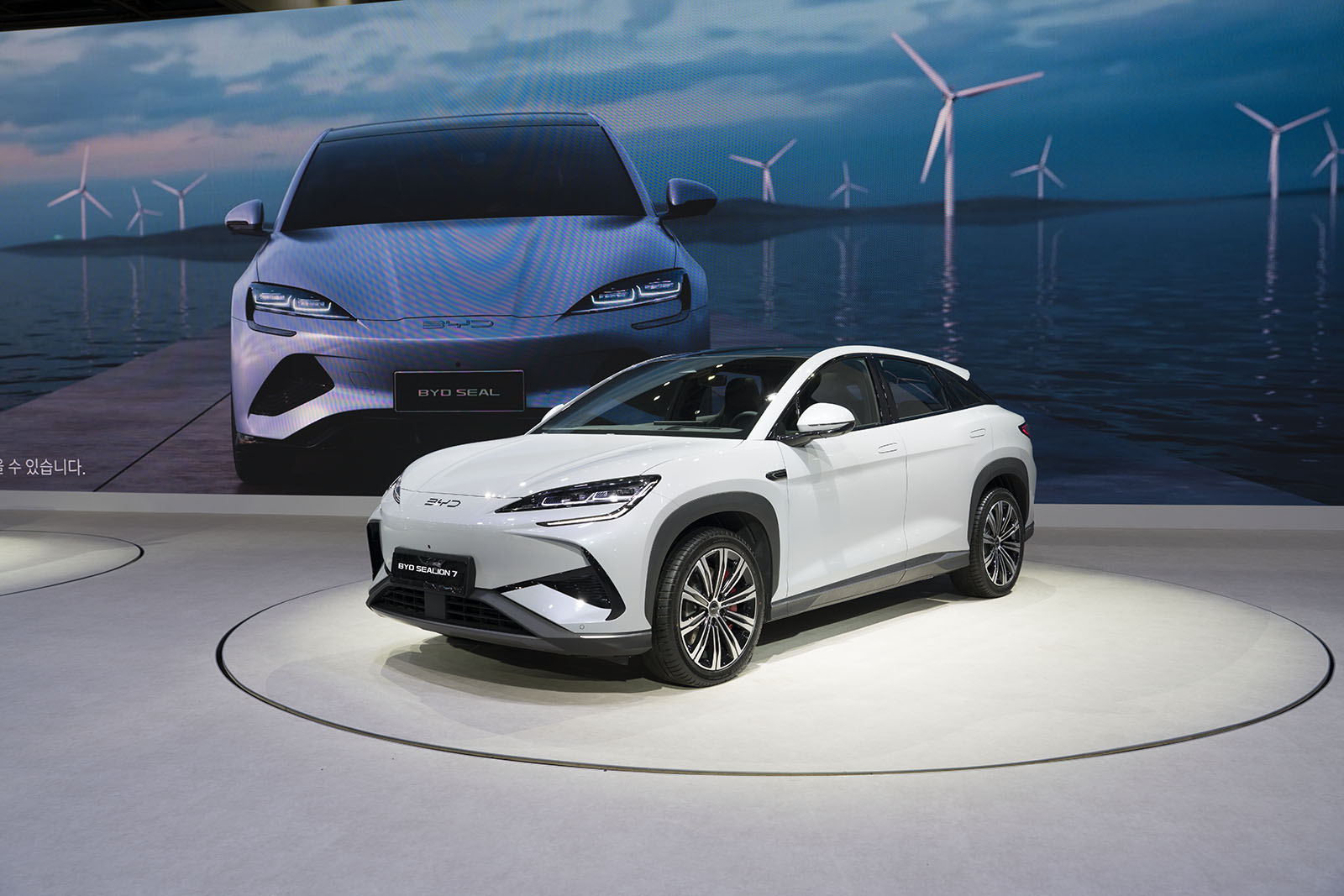
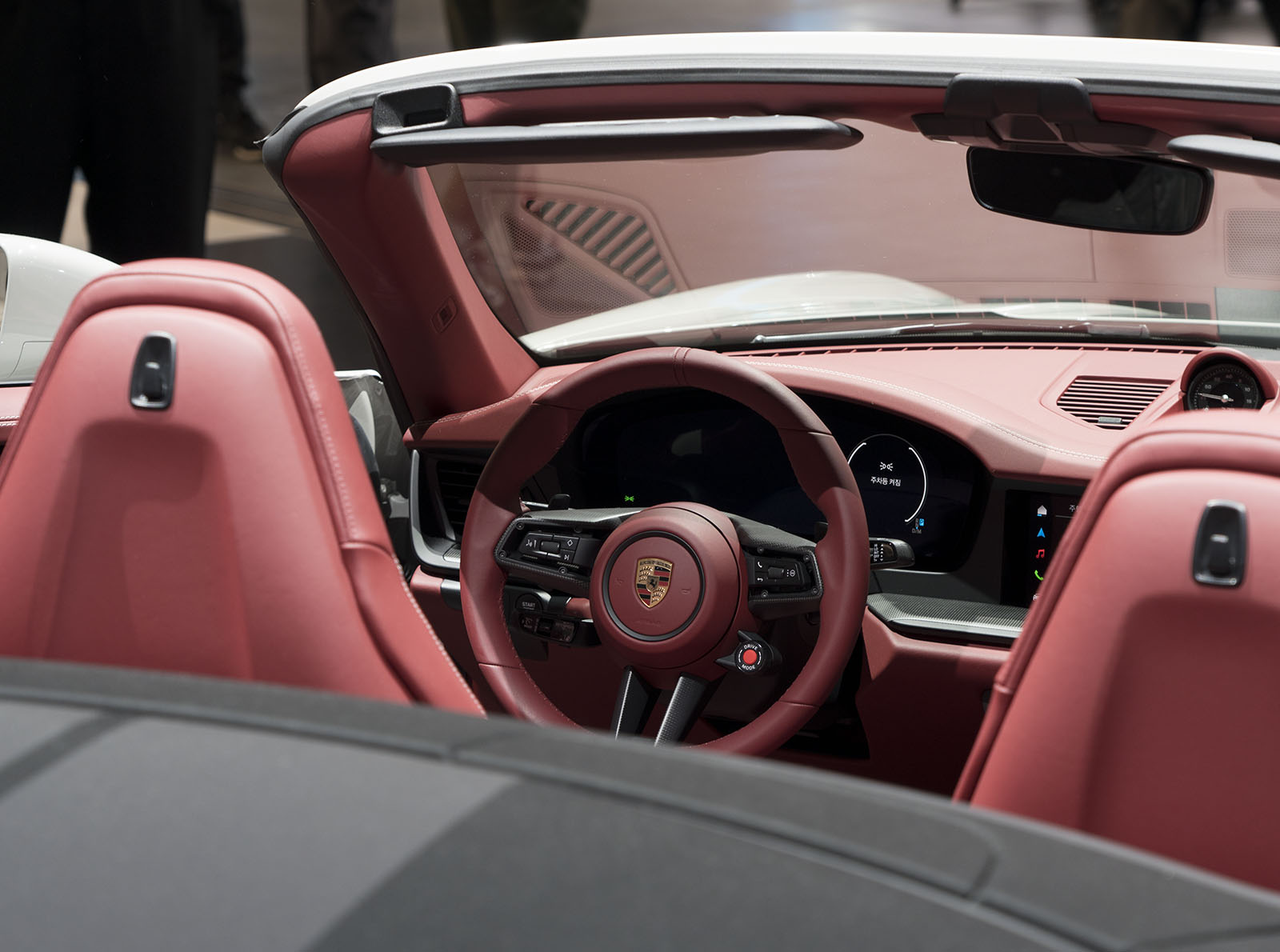
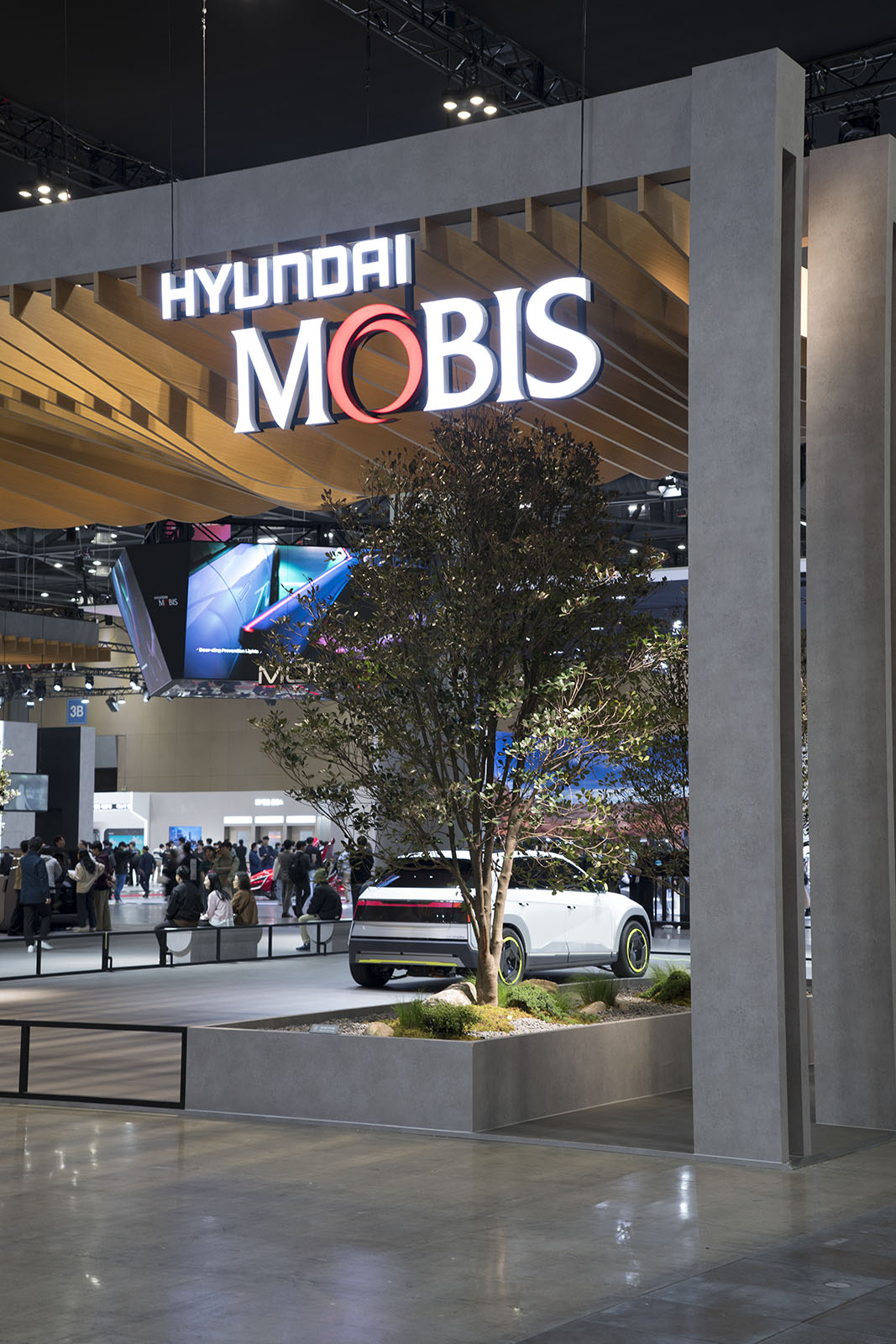
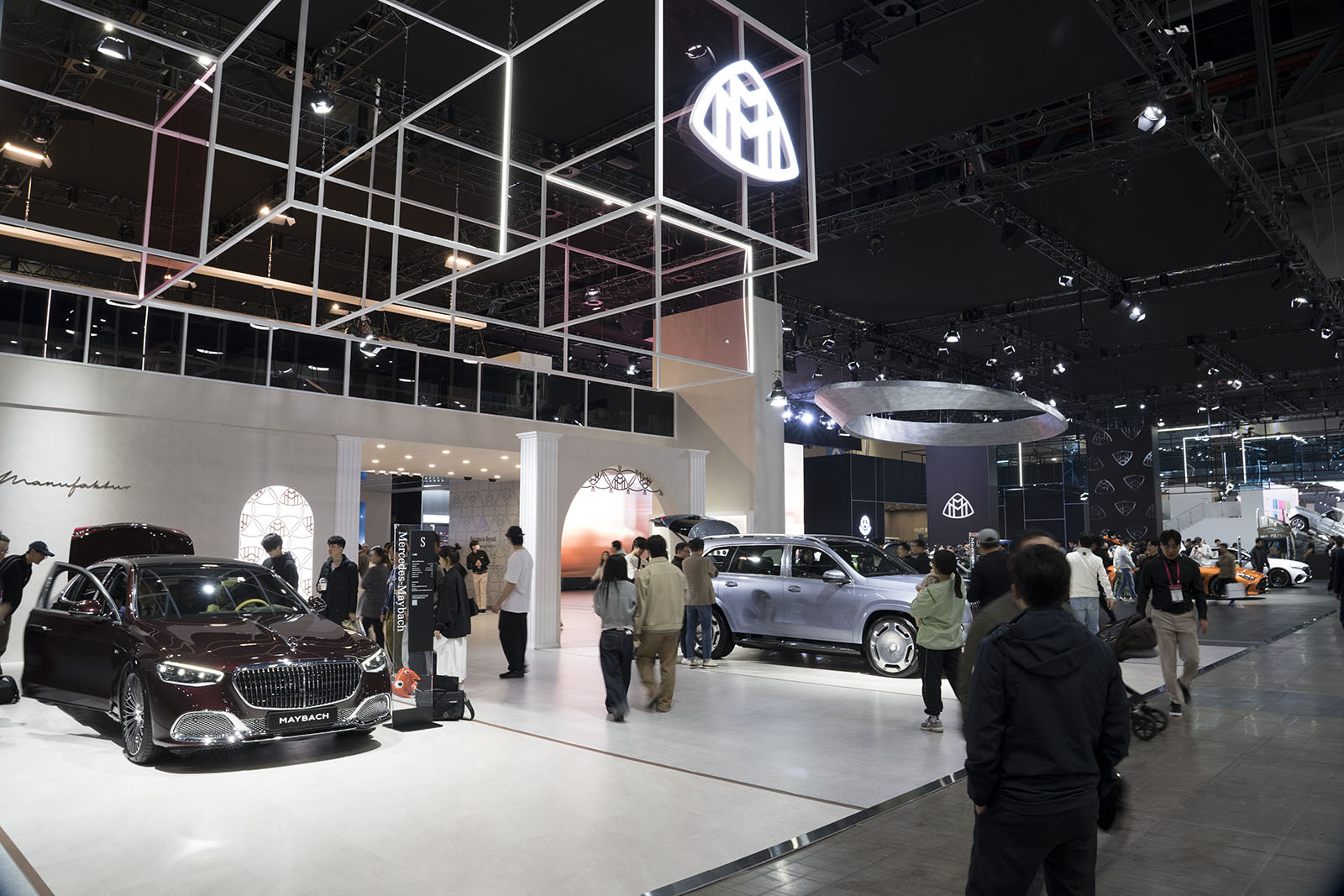
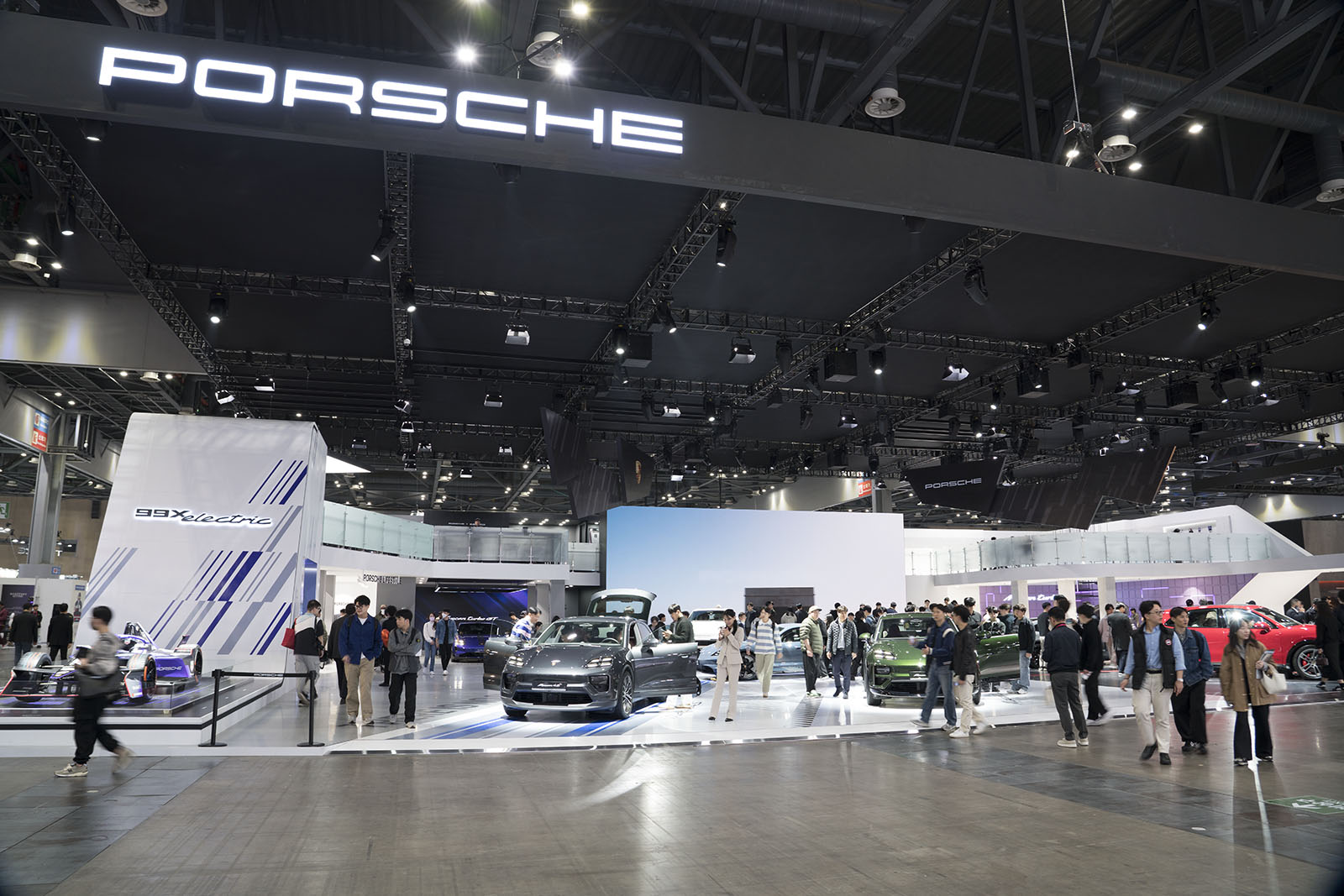
The main brands participating this time included Hyundai, Kia, and Genesis, along with BMW, Mercedes-Benz, Audi, Porsche, Lotus, and BYD.
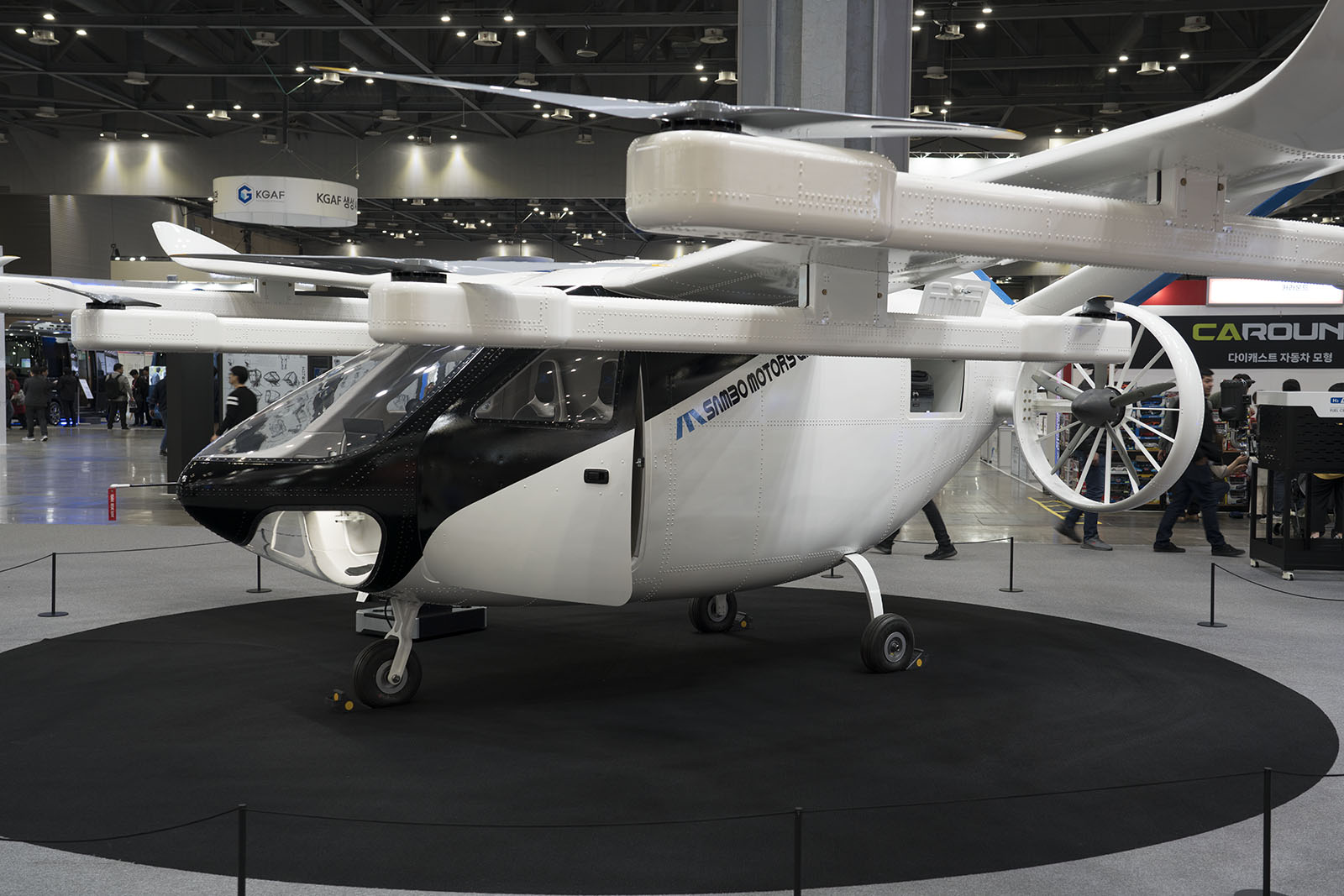
The venue was sophisticated, and each booth featured striking, future-oriented presentations. There were many exhibits related to EVs and next-generation mobility technologies, making it clear why the event’s name has changed to a “Mobility Show.”
However, Toyota, Honda, and Lexus were nowhere to be seen..。
As a Japanese resident in Korea, this was the point that stood out the most to me.
At previous Seoul Motor Shows, Japanese manufacturers had a clear presence, so their absence this time came as something of a shock.
Why Didn’t Toyota and Honda Exhibit?
Although no detailed official explanation was provided, several possible factors come to mind.
- The scale of Japanese car sales in the Korean market
- A shift toward online announcements and launches
- The balance between exhibition costs and marketing effectiveness
- An exhibition structure centered mainly on Korean manufacturers
Living in Korea, I regularly sense changes in the automotive market.
Japanese cars certainly maintain a presence, but they are no longer in a leading role.
Even so, as someone who had hoped to see manufacturers from various countries competing side by side in the same venue, I couldn’t help but feel a bit disappointed.
Korean Youth and the Growing Distance from Cars
As a Japanese resident in Korea, one thing I feel in everyday life is that for younger generations, cars are no longer a “necessity.”
- The expansion and convenience of subways and buses
- The widespread use of ride-hailing apps
- High parking costs
On the other hand, interest in luxury cars and supercars remains strong.
It feels as though cars as everyday transportation and cars as symbols of status or hobbies are gradually becoming separate categories.
Such social changes may also be part of the reason why the atmosphere of the motor show itself has evolved.
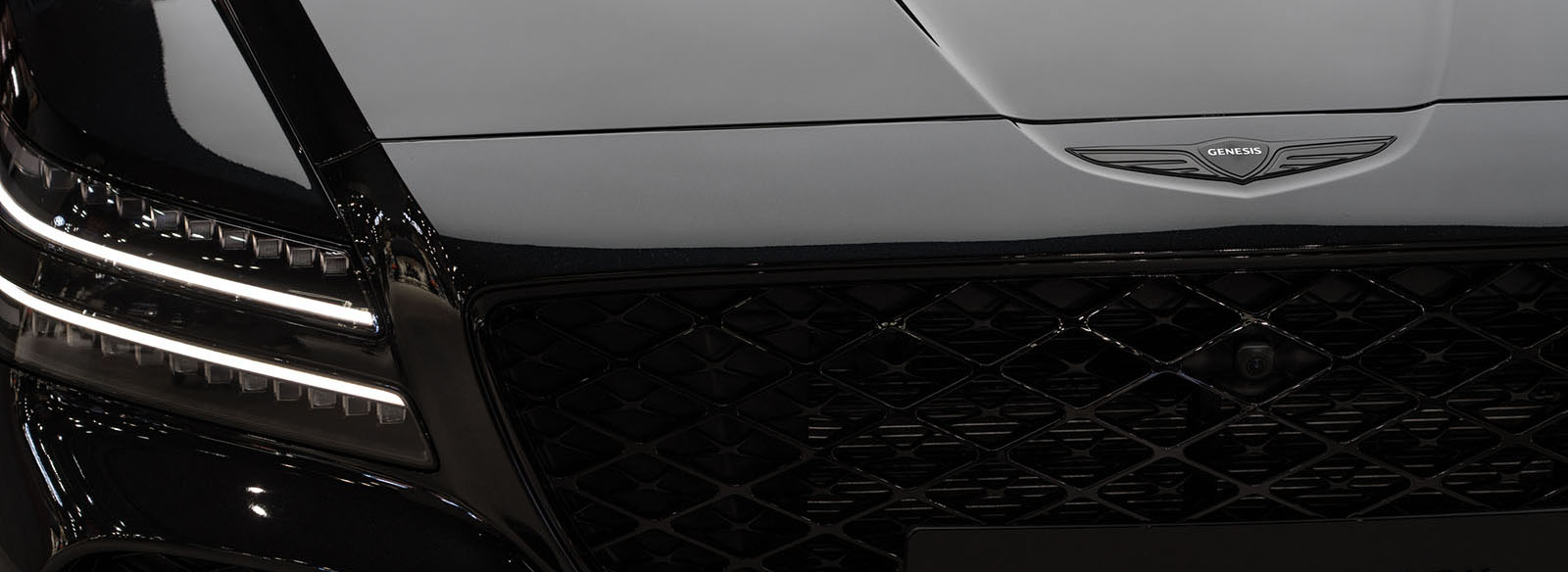
Genesis
My Honest Impressions as a Japanese Resident in Korea
The 2025 Seoul Mobility Show was calm and future-oriented in tone.
In that sense, it certainly reflected the direction of the times.
However, for those who remember the intense competition and glamour among global manufacturers in the past, it felt somewhat lacking.
From the perspective of a Japanese resident in Korea, the absence of Japanese manufacturers seemed to symbolize more than just participation decisions—it appeared to reflect the broader transformation of the Korean automotive market.
Will Japanese manufacturers return next year?
As I continue my life in Korea, I hope to keep an eye on how things unfold.