Autumn Leaf Viewing at Bukhansan Near Seoul — A Trek to Buhwangsa
As I grow older, I have come to feel that living while enjoying the changing seasons is truly meaningful.
A year ago, I went to the ruins of Buhwangsa Temple on Bukhansan to enjoy the autumn foliage. However, since I drove there, the wait to get into the parking lot was far too long, so this year I decided to go by train and bus instead.
There is nothing particularly special at the Buhwangsa Temple site itself, but it is just the right distance for a trek to enjoy the autumn leaves. There is also a wide open space, so many people take a break here while having light snacks.
By the way, in Korea, going to see the autumn leaves is called “danpungnori” (단풍놀이).
“Danpung” (단풍) means autumn foliage, and “nori” (놀이) means play—so perhaps it literally refers to spending time in nature, appreciating the season while viewing the colorful leaves.
Near Exit 2 of Gupabal (구파발) Station on Subway Line 3, there is a bus stop. From there, you take Bus No. 8772 to the Bukhansanseong Entrance. Just outside Exit 2, they were selling “bungeoppang,” the Korean equivalent of Japanese taiyaki, so I had one.
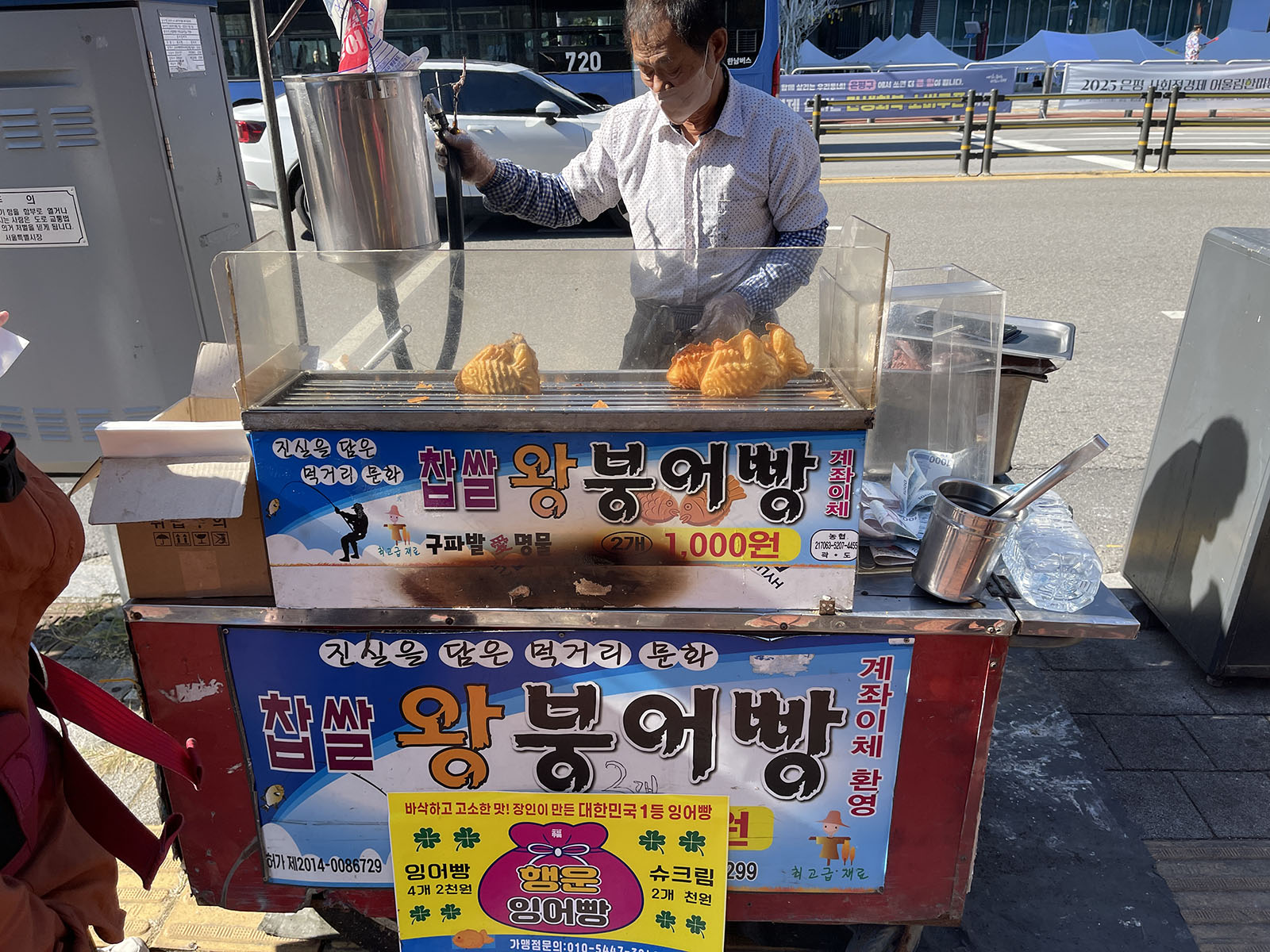
Unlike Japanese taiyaki, it has a thinner crust and mildly sweet red bean paste inside, making it quite different from the Japanese version. Still, when I crave taiyaki, it serves as a satisfying substitute.
I met up with the person I was going with, bought some gimbap at a nearby shop to eat on the mountain, and boarded the bus.
The ride that day was about 20 minutes.
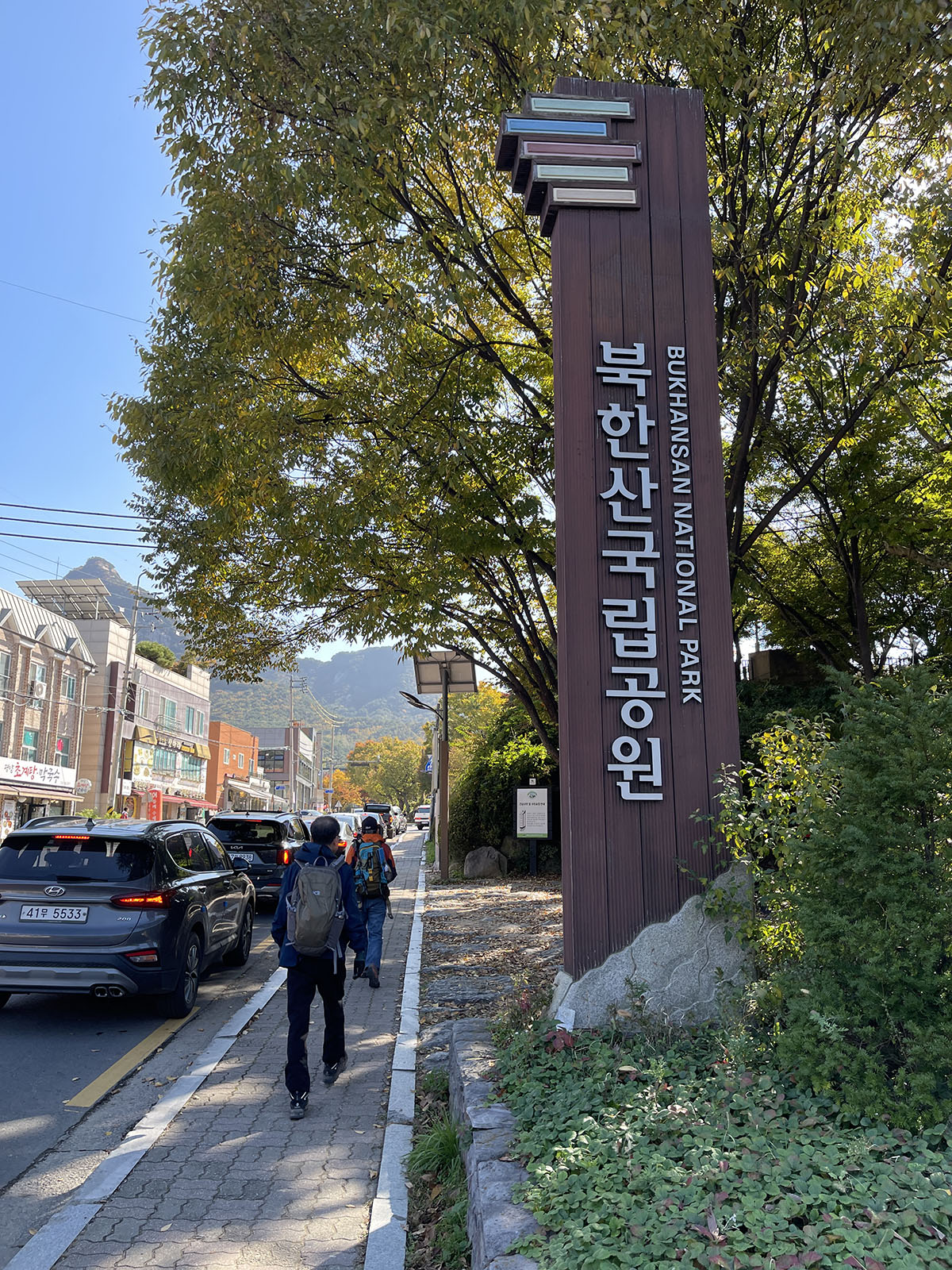
As soon as we got off the bus and crossed the crosswalk, there was a sign for “Bukhansan National Park.” Following that road uphill led us to the trailhead.
Although this was just a trek and not a climb to the summit, my 34L backpack was packed with a camera, a folding chair, trekking poles, snacks, Pocari Sweat, a change of clothes, and more. Hiking boots were essential.
There were three of us on this trek. The other two go hiking every week, so since it had been a year for me, I was a little worried about whether I could keep up. Fortunately, since everyone enjoys photography and we stopped frequently to take commemorative photos along the way, I didn’t end up slowing anyone down.
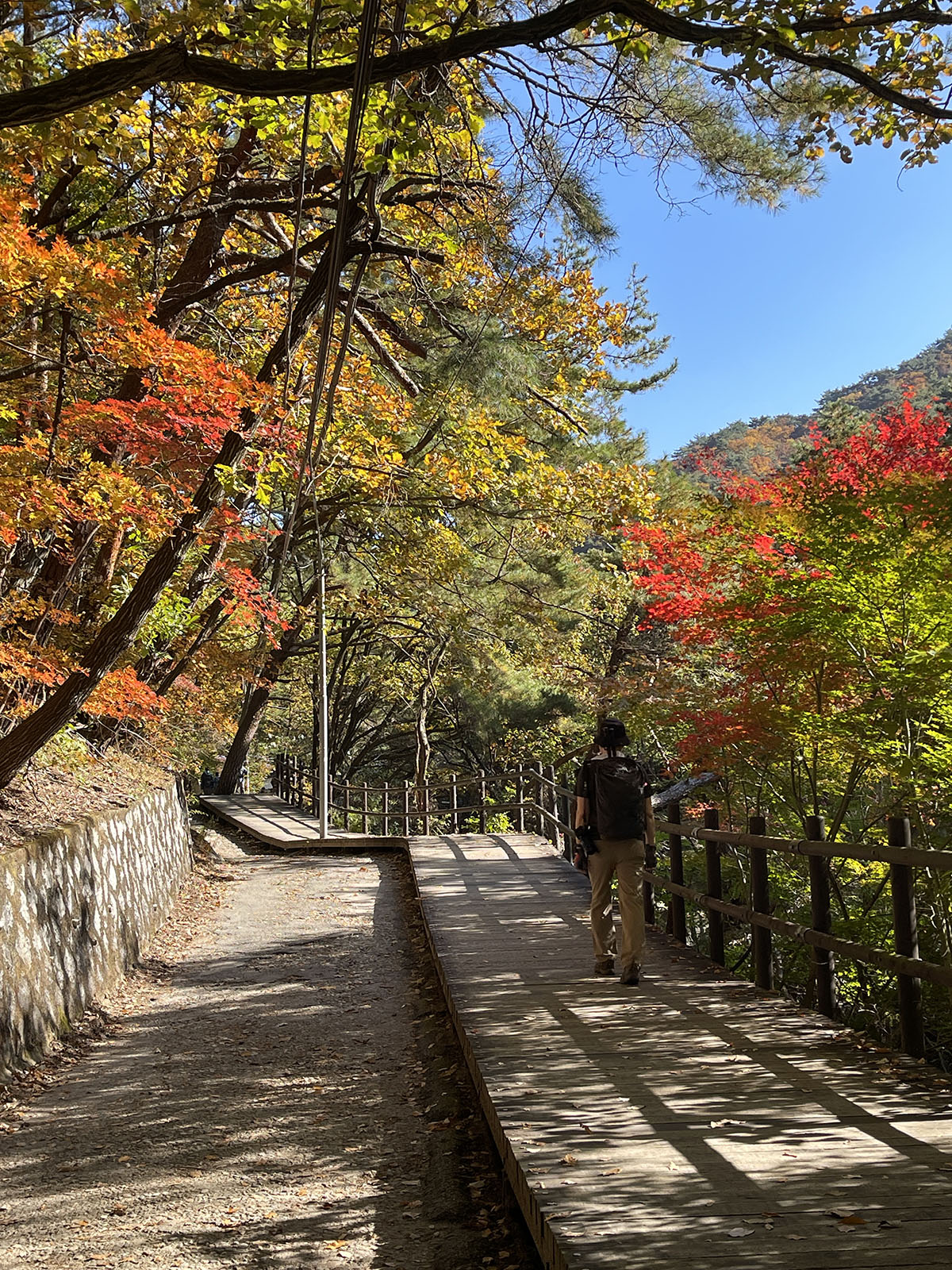
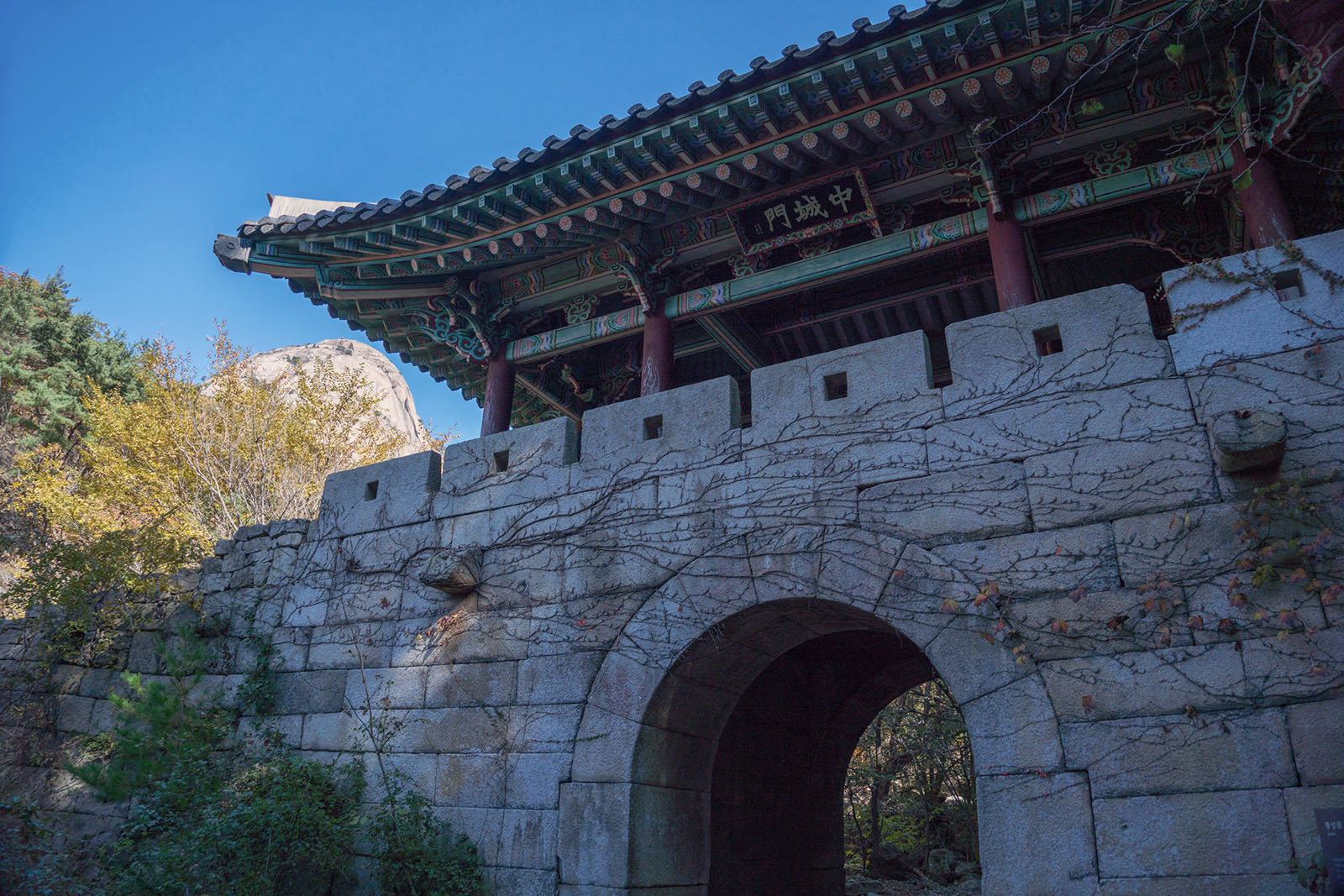
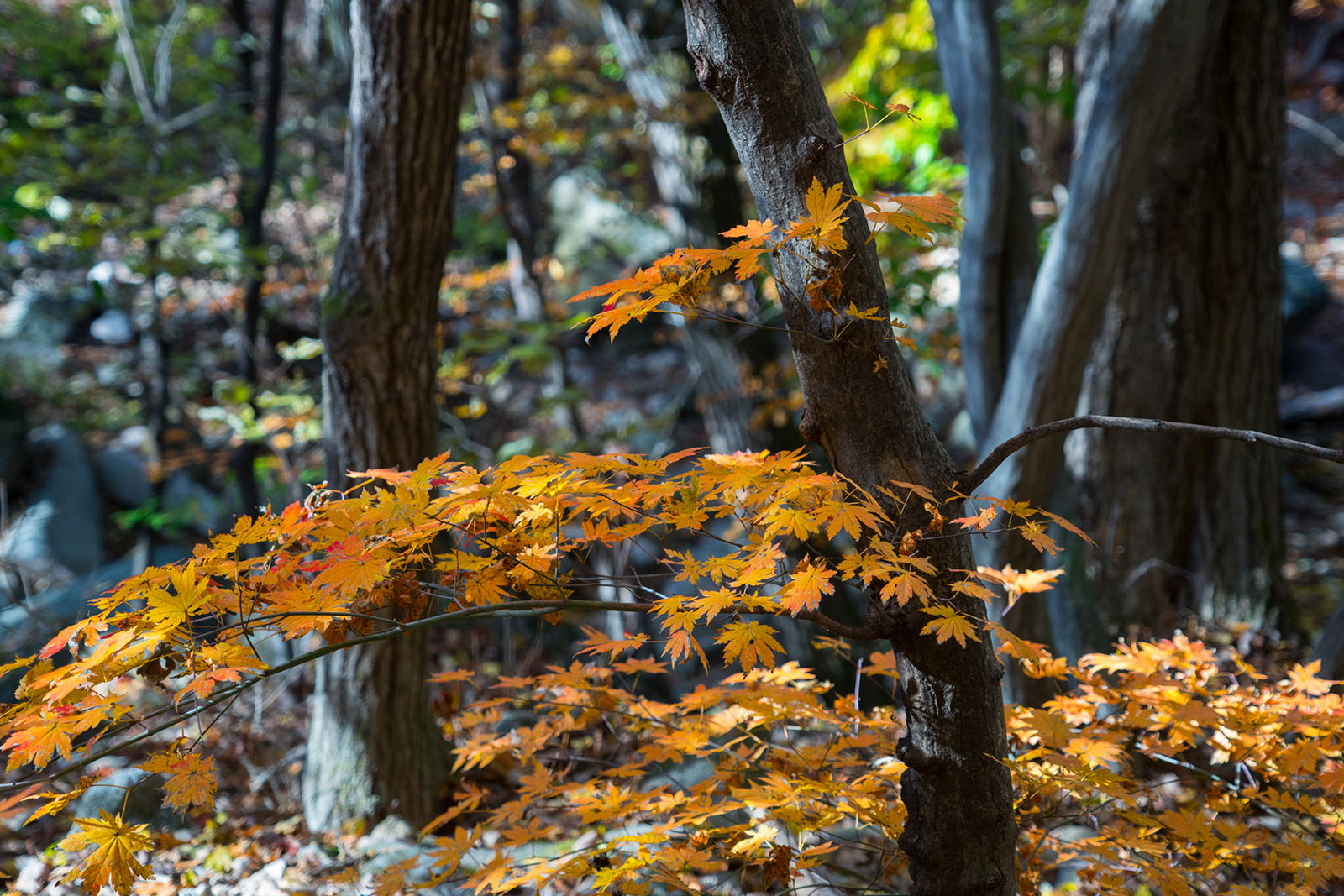
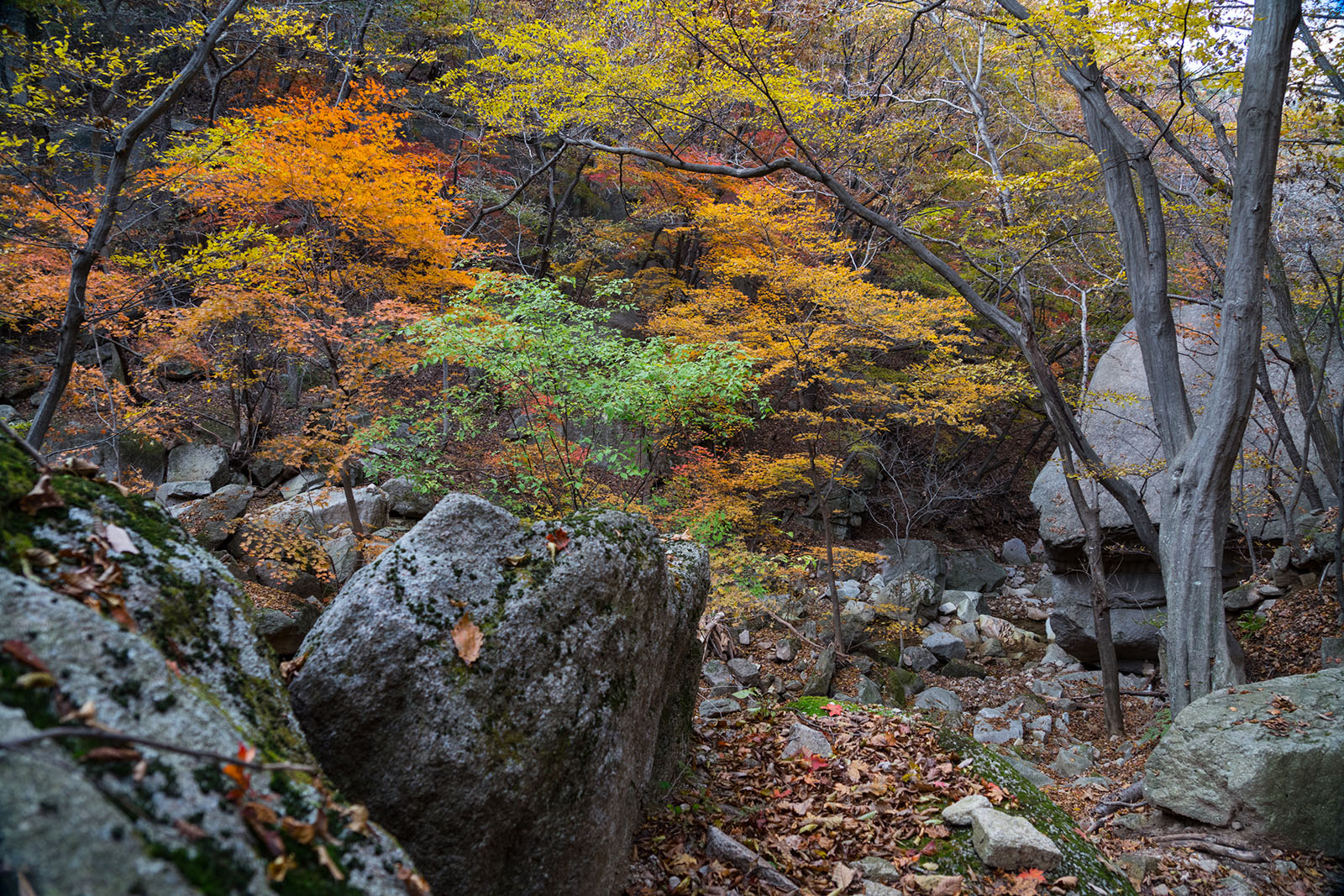
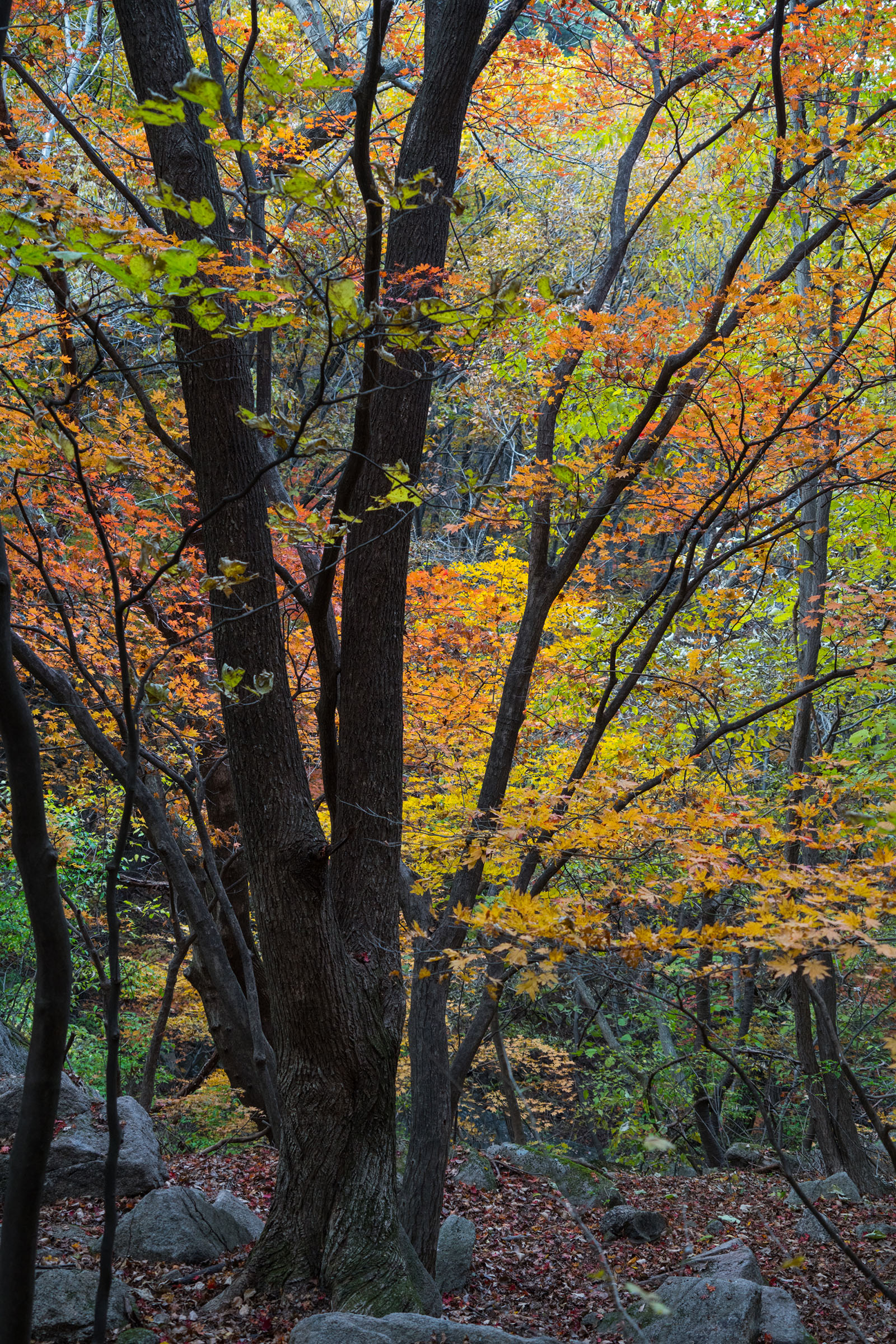
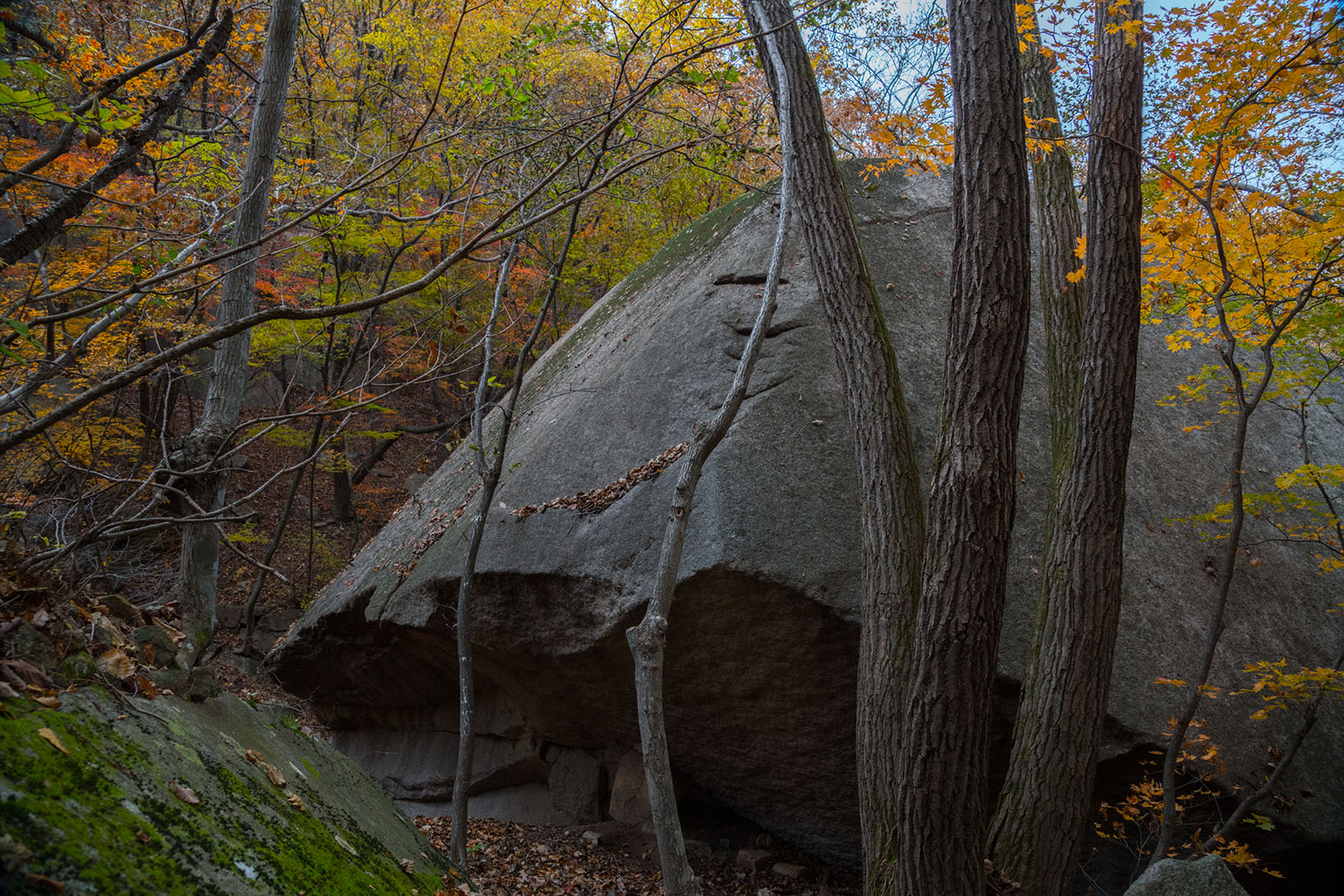
This is the Buhwangsa Temple site. According to my research, Buhwangsa was one of the temples established by King Sukjong, the 19th king of the Joseon Dynasty, to defend Bukhansanseong Fortress, where monk-soldiers were stationed to guard the mountain fortress. It was founded in 1717 by the monk Simun (심운).
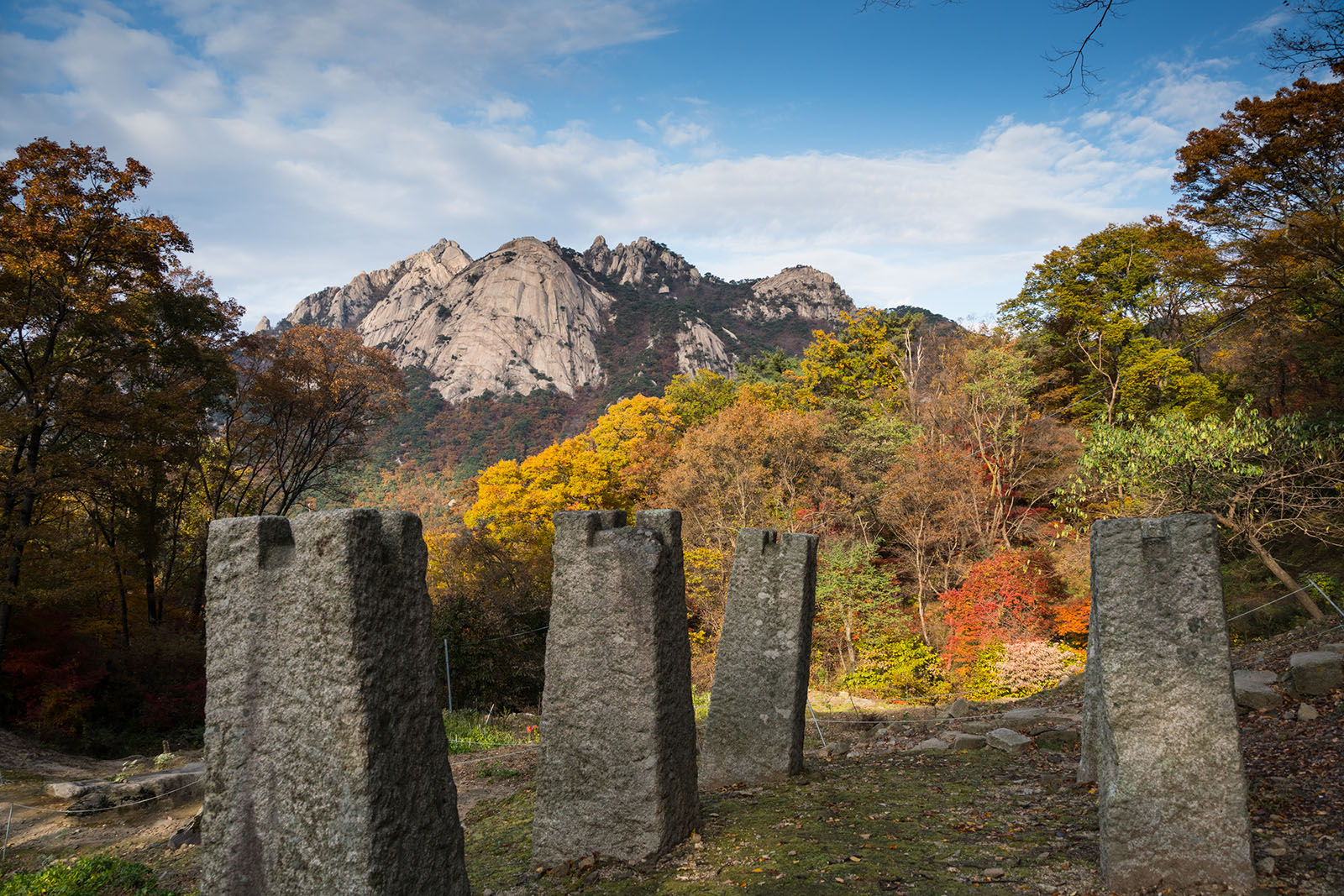
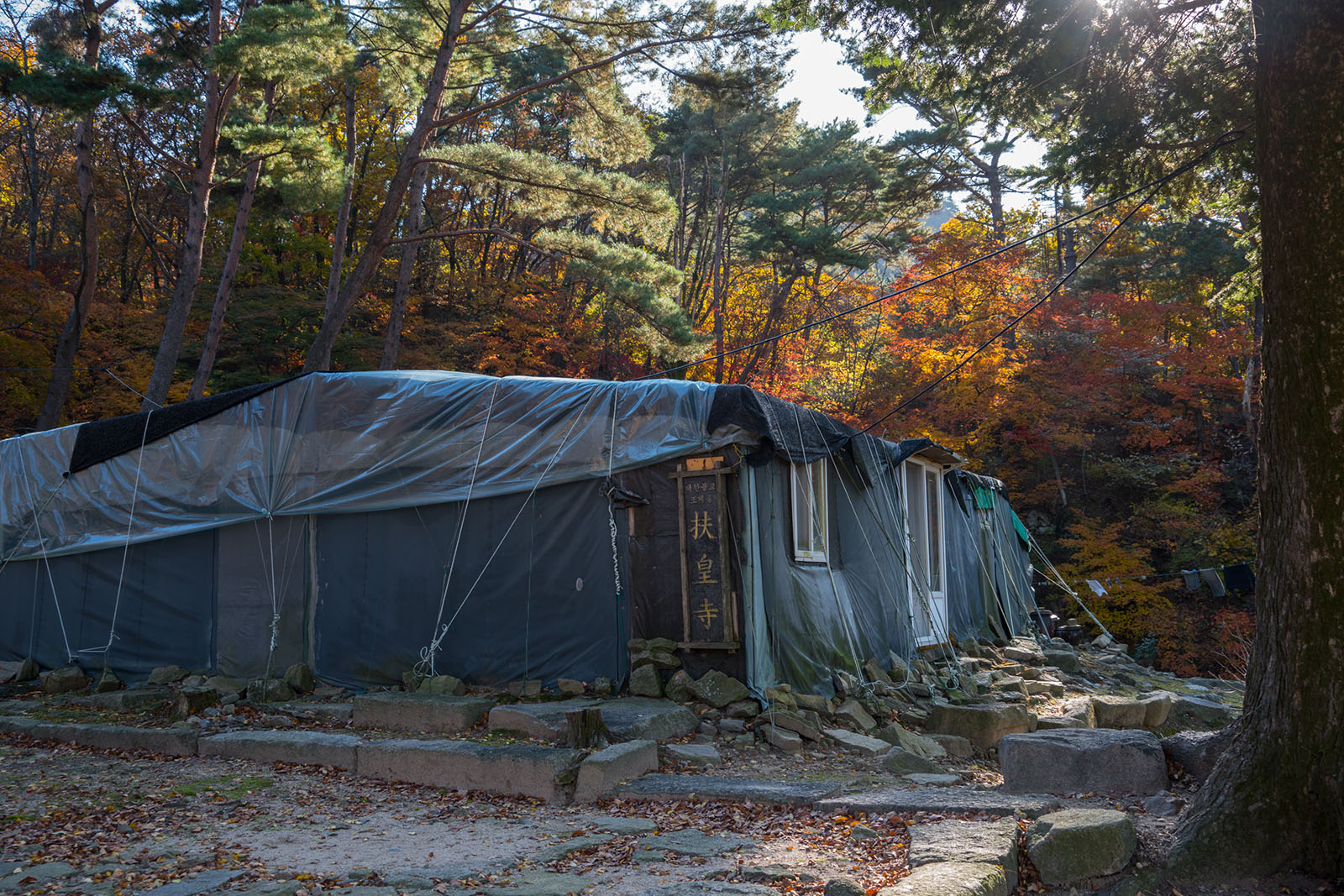
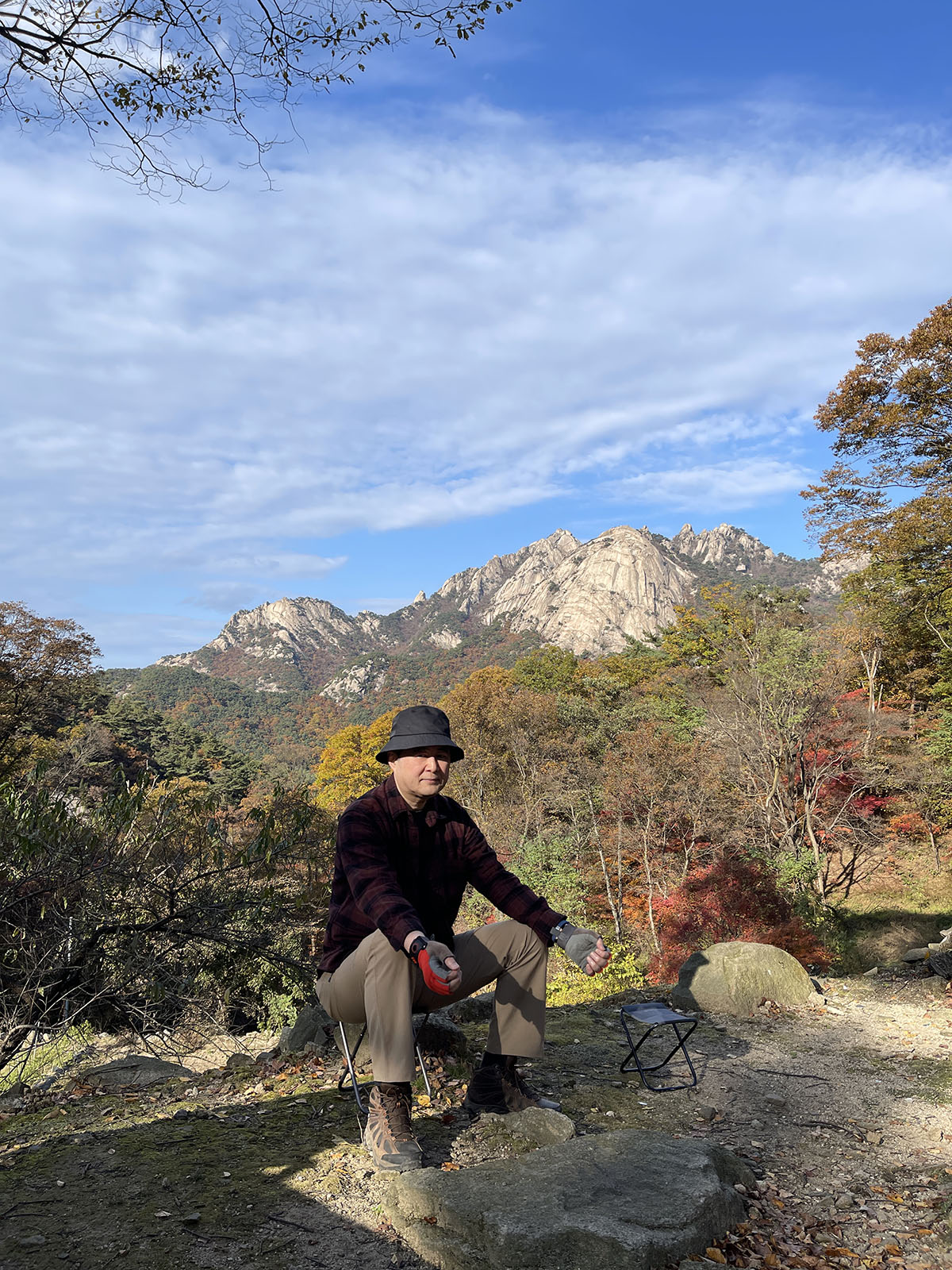
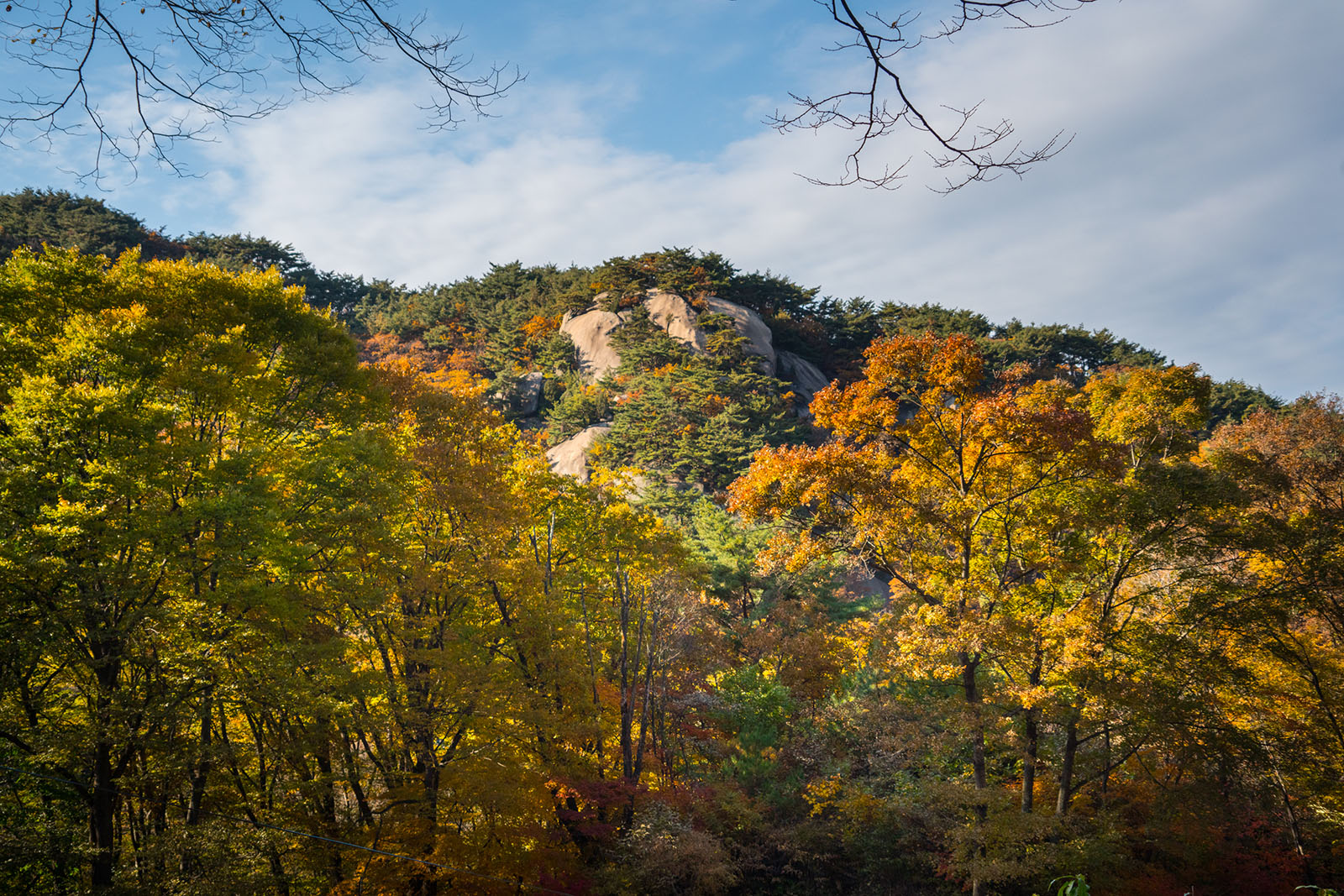
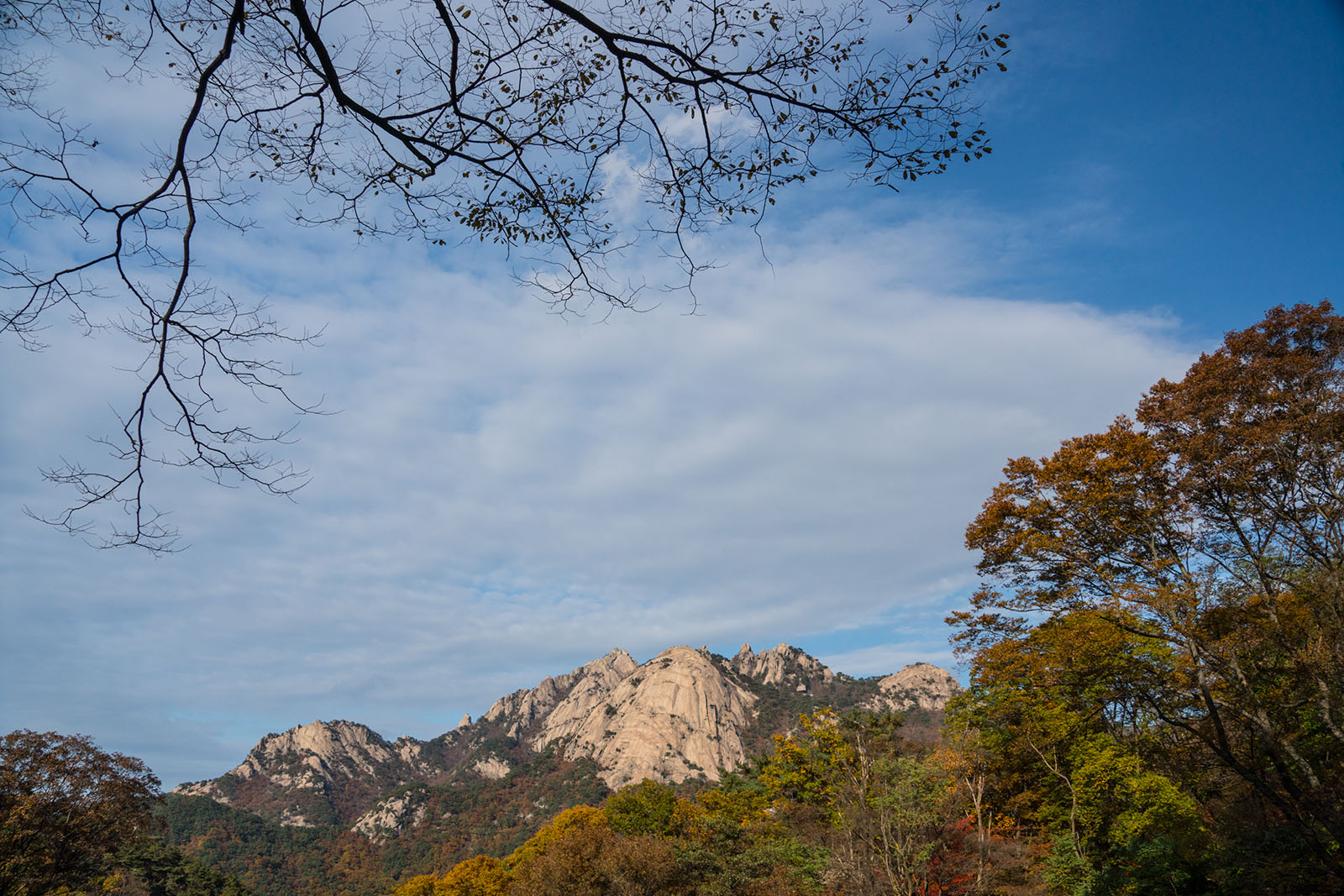
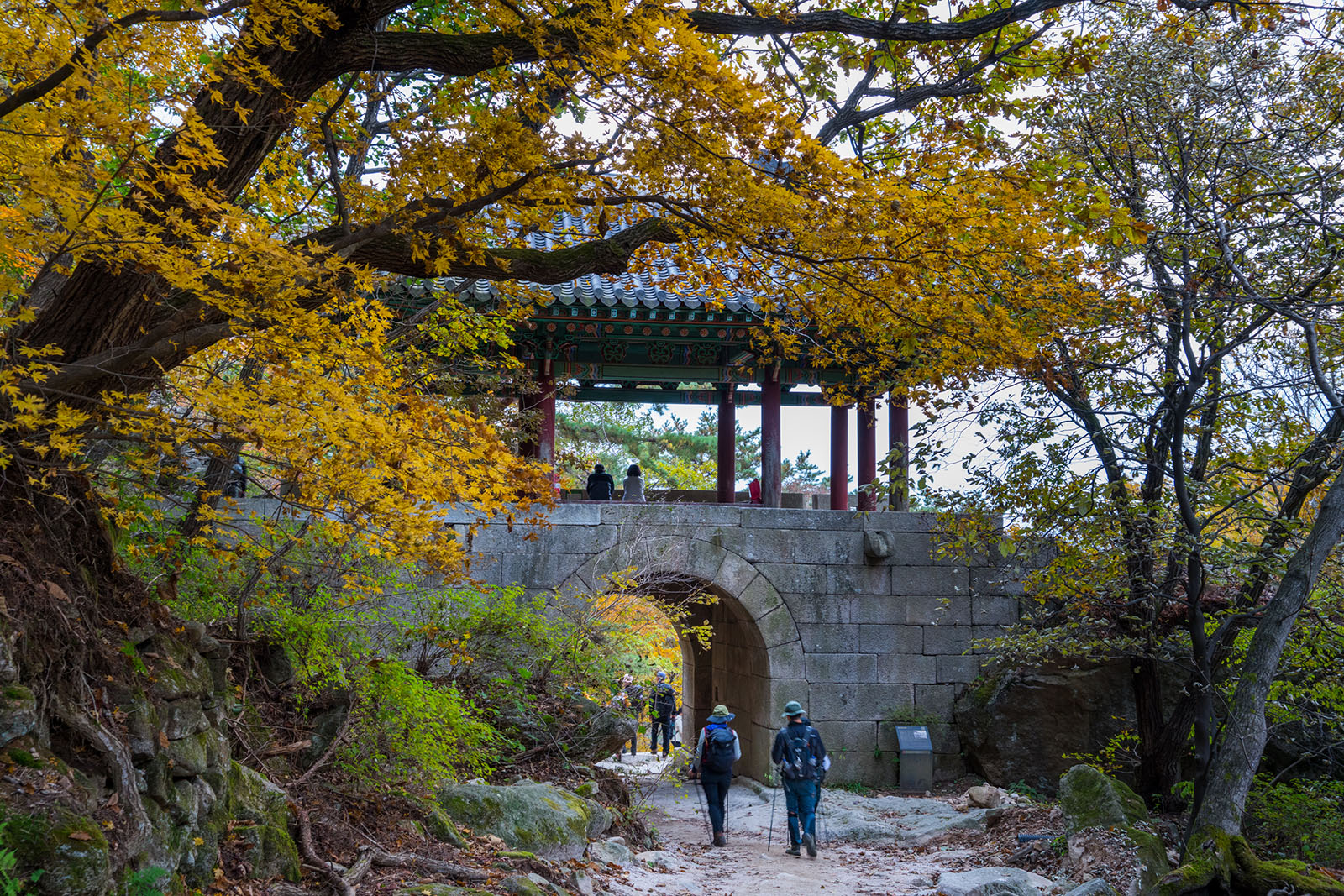
On the way down, we passed Jungseongmun (the Middle Fortress Gate) again… and there was still quite a long way to descend.
Today, my pedometer recorded about 18,000 steps, most of them taken on Bukhansan.
I will come again next year.
How to get there)
Take Bus No. 8772 from Exit 2 of Gupabal (구파발) Station on Subway Line 3 and get off at Bukhansanseong Entrance.
【About Buhwangsa Temple】
Buhwangsa Temple was founded in 1717 (the 43rd year of King Sukjong’s reign in the late Joseon period) by the monk Simun (심운). During the Japanese colonial period, it was a branch temple of Bongeunsa (봉은사).
To defend Bukhansanseong Fortress, King Sukjong newly built 12 temples inside the fortress and stationed monk-soldiers to guard it. Buhwangsa (부황사) was one of them.
At the time of its founding, it was called “Buwangsa” (부왕사), but later it came to be known by similar-sounding names such as “Buwhangsa” (부황사) and “Buhwangsa” (부황사). It is not clear exactly when the current name was adopted.
From its founding until before the Gabo Reform, it continued as a temple dedicated to protecting the nation. In September 1939, the then head monk Wonbeop (원법) and patron Sangdeok (상덕) newly built Yeongsanjeon Hall (영산전) and a separate building. In 1942, Lee Ju-ok (이주옥) constructed a six-room retreat at the eastern foothills of the temple, but all of it was destroyed during the Korean War, and today the site remains largely in ruins.