White Magnolia Found at Ilsan Lake Park | Discovering One of the Oldest Flowers on Earth in Cherry Blossom Season
Next weekend, the scenery at Ilsan Lake Park will completely change.
There’s a BTS concert at a nearby stadium, and this quiet park will surely be filled with people.
That’s exactly why I like this brief moment of stillness before it all begins.
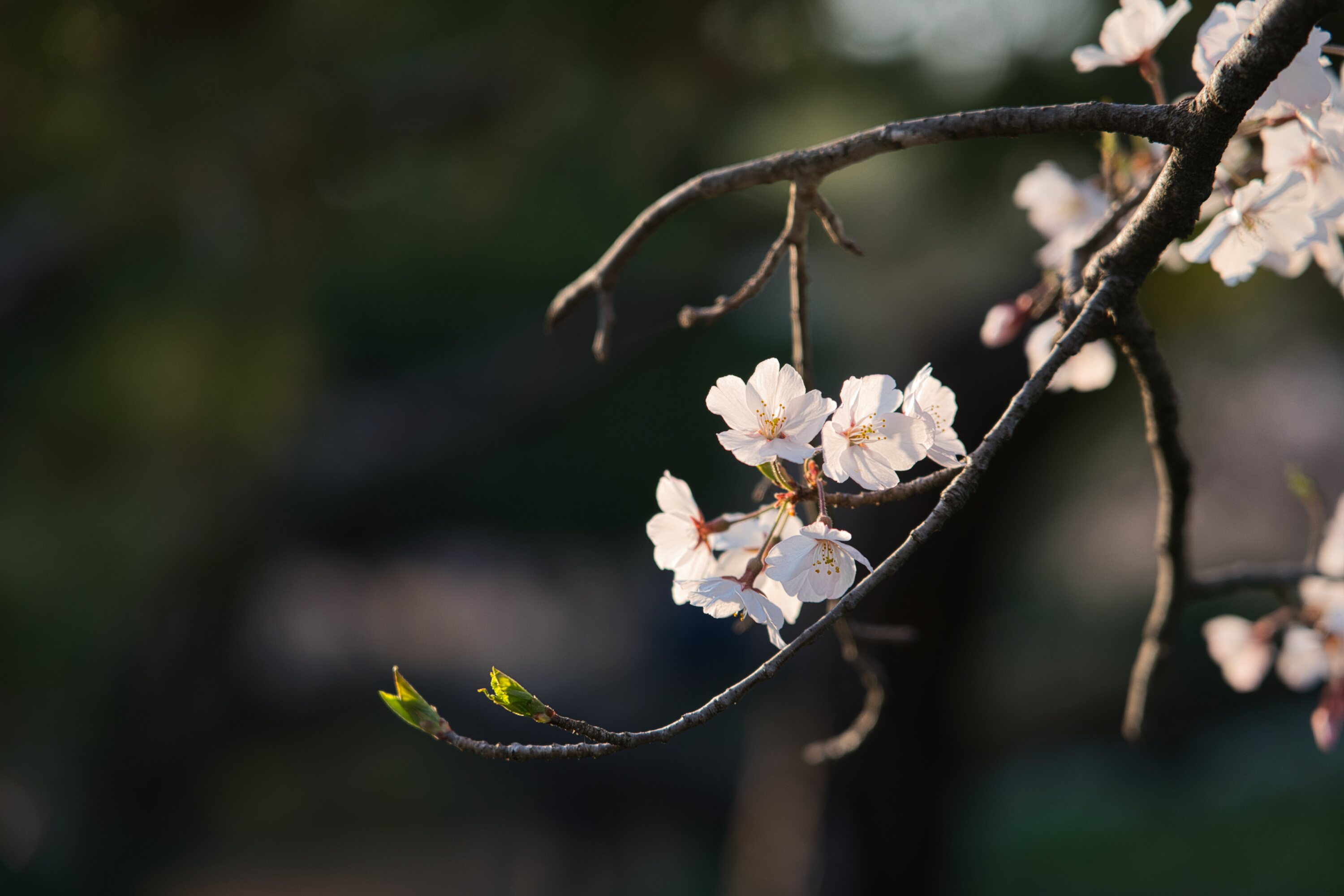
The cherry blossoms have already started to bloom.
Even so, many buds still remain.
I find something special in this “just a little more” time before full bloom, walking through it.
I had my camera ready and casually shifted my gaze.
What caught my eye wasn’t the cherry blossoms.
A sense of strangeness called white magnolia
White magnolias were blooming toward the sky, each flower seeming to carry its own will.
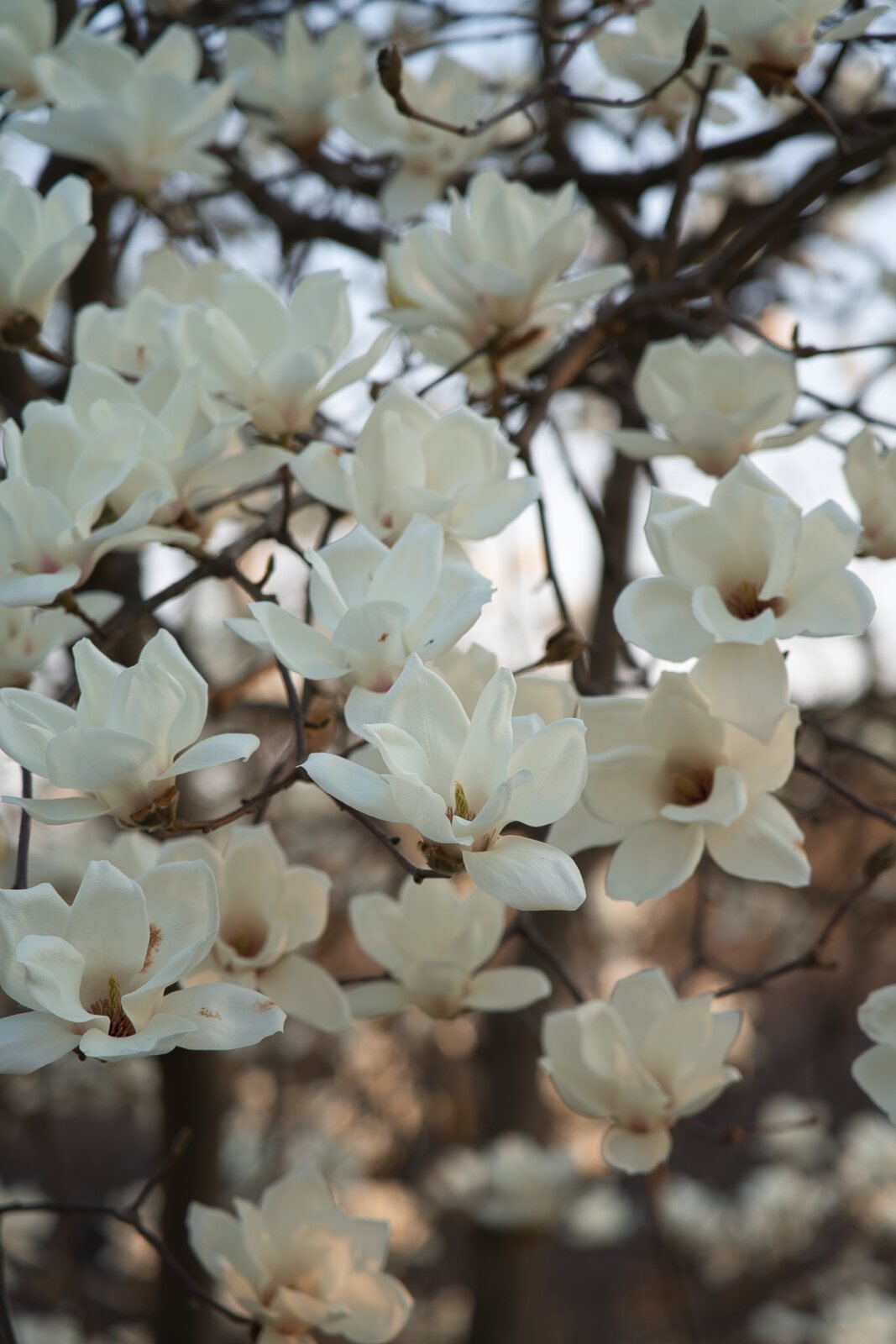
As I watched them for a while, I suddenly felt a sense of dissonance.
This flower somehow feels like it doesn’t belong to “the present.”
One of the oldest flowers on Earth
When I looked it up—
This white magnolia is said to be “one of the oldest flowering plants on Earth.”
It has survived for about 95 million years, since the age of dinosaurs,
with almost no change in its form.
It never needed to evolve into something else.
Perhaps that means it was already complete from the very beginning.
Ninety-five million years ago and now are connected in the same form.
Thinking that way, the flower in front of me begins to look a little different.
A stillness that evokes the lotus
The name “mokuren” (magnolia) comes from its resemblance to the lotus.
The lotus, which blooms pure from the mud, holds symbolic meaning in Buddhism.
Maybe that’s why.
There is a quietness in this white magnolia that feels somehow removed from the mundane world.
Why does it captivate without being flashy?
Perhaps it is less about beauty, and closer to “meaning.”
Another kind of flower: cherry blossoms
Cherry blossoms, on the other hand, are entirely different.
For example, Somei Yoshino—the variety we often see today—
is said to have been cultivated by human hands and spread from Japan.
They are meant to be seen by people,
blooming all at once and falling in the same way.
Even their uniformity has been shaped into a form of beauty.
If magnolias are “flowers that did not change,”
then cherry blossoms might be called “flowers that have continued to change.”
Which flower are we closer to?
As I watch people walking through the park, I find myself wondering—
Some look refined,
while others seem somehow elusive.
There are people like cherry blossoms,
and people like magnolias.
So, which one am I closer to?